



Interior design is the process of planning and designing indoor spaces to improve their functionality, comfort, appearance, and overall experience. It can include space planning, furniture, colours, lighting, materials, décor, and finishes.
Interior Design Ideas to Make Every Space Feel Like Home
A home is never just about walls, furniture and finishes. It is about the way you feel when you walk through the door, the comfort of your favourite corner, the conversations around the dining table and the quiet moments at the end of a long day. Good interior design brings all of these everyday experiences together and turns a house into a space that feels personal.
Every home has a different story. Some people love clean and minimal spaces while others prefer warm colours, expressive details and layers of texture. Some homes need clever storage because every square foot matters while others have the freedom to create large statement spaces. There is no single formula for creating a beautiful home. The best designs are the ones that understand how people actually live.
From the kitchen and living room to the master bedroom, kids' room, study and bathroom, every space has a role to play. When these spaces are planned together, the result is a home that feels connected without making every room look identical.
Where Durability Meets Design Precision
Interior design is often associated with colours, furniture and décor, but there is much more to it. It is about understanding how a space works and finding ways to make it both beautiful and useful.
A kitchen needs to make everyday cooking easier. A study room needs to encourage concentration. A wardrobe needs to keep things organised without taking away from the beauty of the bedroom. A living room needs to feel comfortable enough for everyday family time and welcoming enough for guests.
This balance between beauty and practicality is what makes home interior design so meaningful. The smallest decisions can have a surprisingly large impact. The finish chosen for a cabinet can change the mood of an entire kitchen. A carefully planned TV unit can become the focal point of a living room. The right combination of lighting and textures can make a bedroom feel warmer and more relaxing.
Good design is not about adding more. Sometimes, it is about choosing the right things and giving them enough space to breathe.
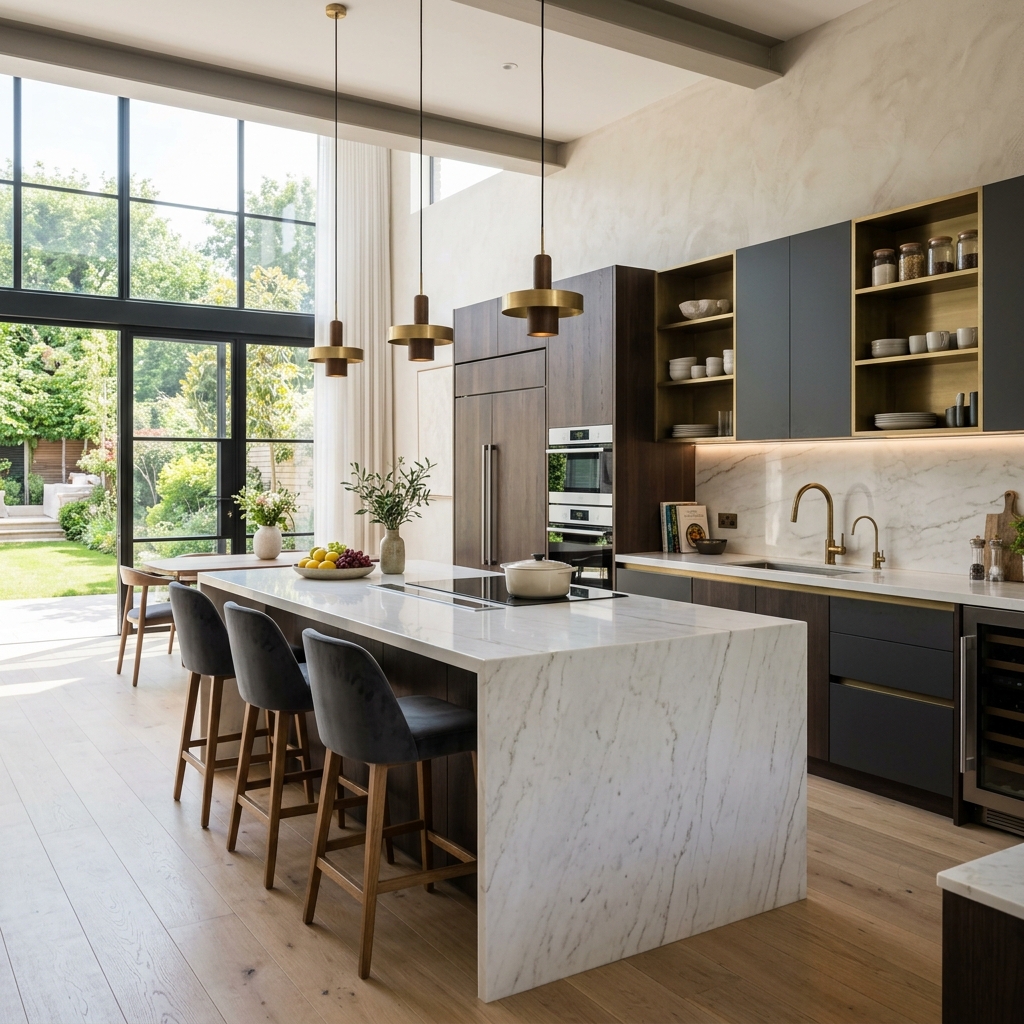
Kitchen Interior Design
The kitchen is often described as the heart of a home and for good reason. It is where mornings begin, meals are prepared and conversations happen between everything else going on in the house.
A thoughtfully planned kitchen should make cooking and organising feel natural. The layout, storage, cabinetry, countertops, lighting and appliances all need to work together. At the same time, the kitchen should reflect the overall personality of the home.
For a contemporary look, clean cabinetry and understated surfaces can create a sophisticated atmosphere. Natural textures and warmer finishes can make the kitchen feel more inviting while deeper colours can add drama and character.
Whether it is a compact kitchen in an apartment or a spacious kitchen with an island, thoughtful interior design can make the space feel more organised, comfortable and enjoyable to use.
The goal is simple. Create a kitchen that looks good when everything is perfectly arranged but still feels like home when life gets busy.
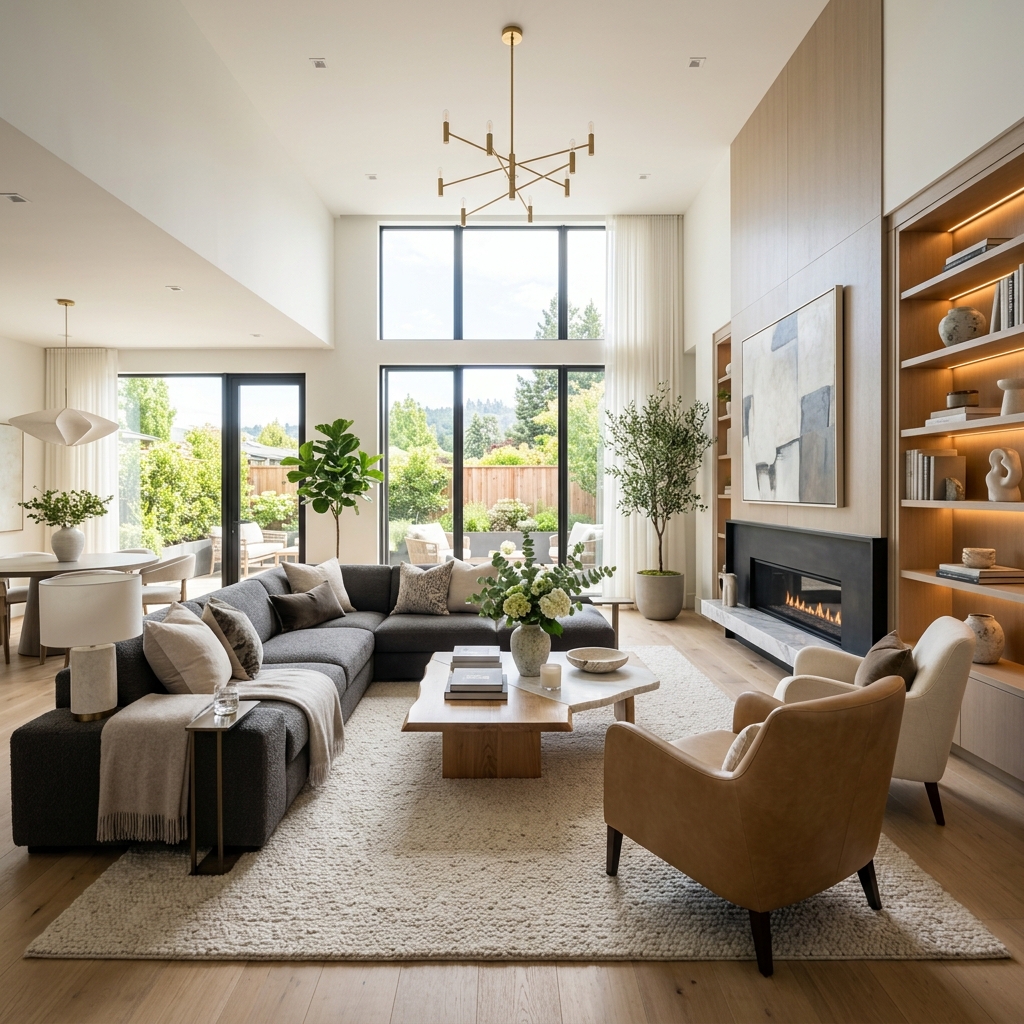
Living Room Interior Design
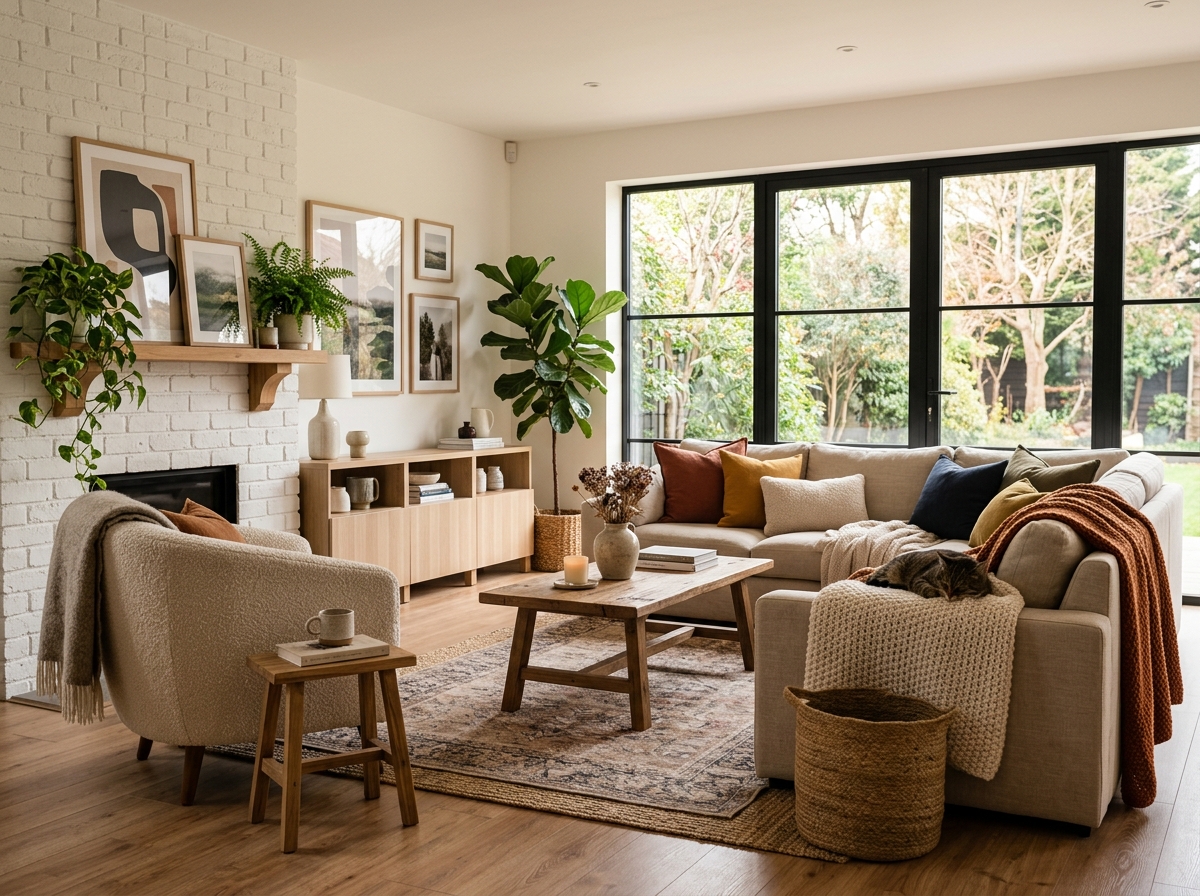
The living room is where a home begins to tell its story. It is where people gather after a long day, where guests are welcomed and where many everyday memories are created.
This makes living room design about more than selecting a sofa and a coffee table. The arrangement of furniture, lighting, wall treatments, colours and storage all contribute to the way the room feels.
A neutral palette can create a calm and timeless setting while statement surfaces or bold accents can give the room more personality. Natural materials can add warmth while contemporary finishes can create a cleaner and more refined look.
The TV unit can also become an important part of the room. Rather than treating it as a purely functional element, it can be designed with storage, display areas and complementary surfaces to become a natural focal point.
A well designed living room should invite people to sit down, stay awhile and feel at home.
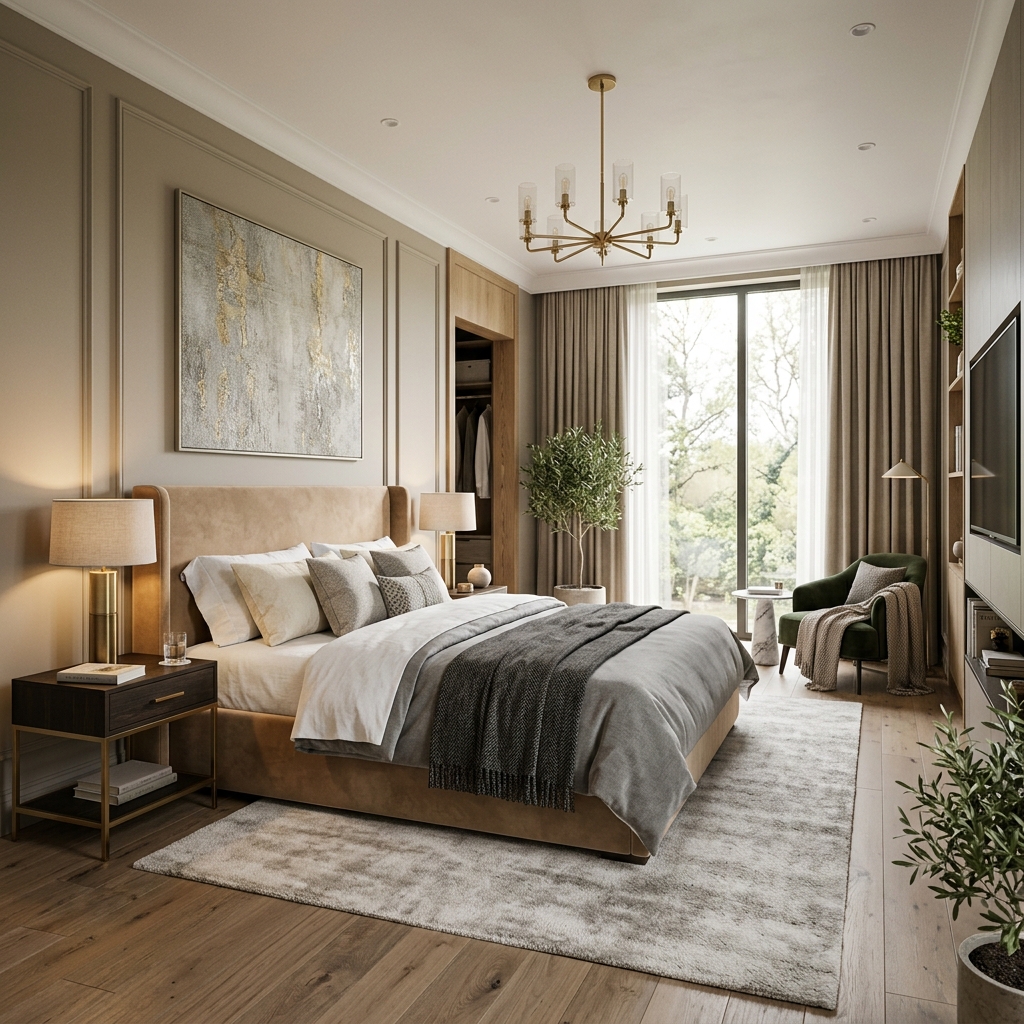
Master Bedroom Interior Design
The master bedroom is perhaps the most personal room in the house. Unlike social spaces, it does not need to make an impression on everyone. It needs to make the people who live there feel comfortable.
Soft colours, warm textures, carefully positioned lighting and practical storage can create a peaceful atmosphere. Wardrobes, bedside tables, dressing areas and feature walls can be planned together so that the room feels balanced rather than crowded.
The choice of surfaces can also influence the mood. Subtle finishes can create understated elegance while richer textures and deeper colours can bring a sense of luxury.
The best master bedroom home interior design does not try too hard. It creates a space where everything feels considered but nothing feels forced.
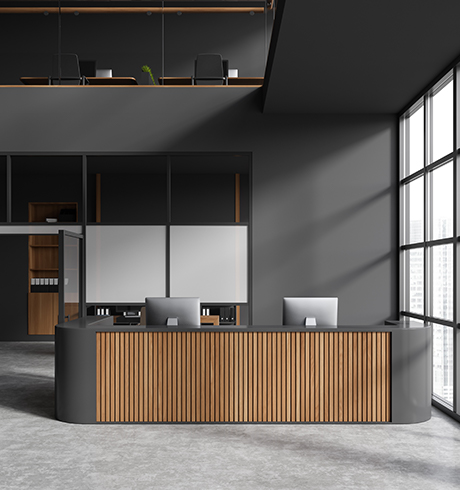
Bedroom Interior Design
Every bedroom has its own personality. A guest bedroom may need to feel welcoming and uncluttered while a teenager's bedroom may need space for studying, storage, hobbies and relaxation.
Bedroom design should therefore begin with the person who will use the room. Furniture, storage, lighting and colours can all be selected around their routines and preferences.
A simple colour palette can create a calm atmosphere while carefully chosen textures can add depth. Built in storage can keep the room organised and free up valuable floor space.
The result should be a bedroom that feels comfortable from the first moment you enter it and remains practical as everyday needs change.
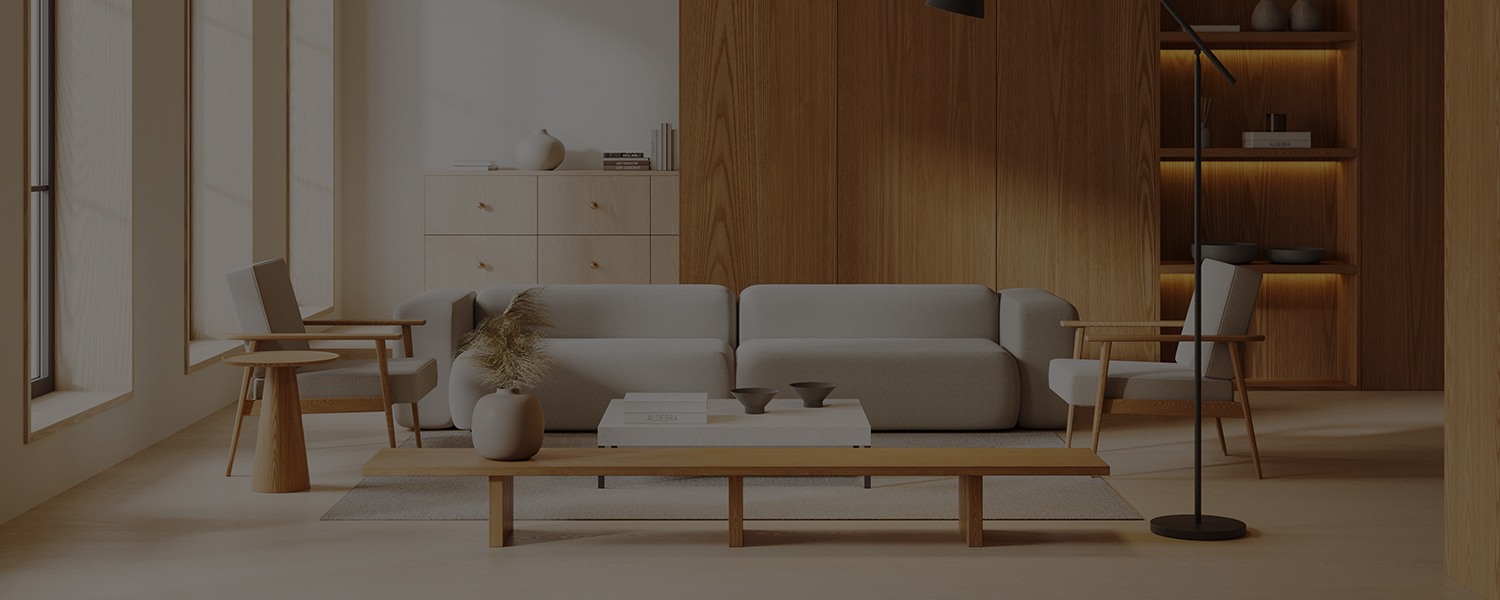
Kids Room Interior Design
Designing a kids room is an opportunity to be creative. It is a space where children sleep, play, learn, imagine and grow, so it needs to be both fun and functional.
Bright colours can add energy, but they do not have to dominate the entire room. A softer base with playful accents can create a room that feels cheerful without becoming overwhelming.
Storage is equally important. Shelves, cabinets and wardrobes can help keep toys, books, clothes and school supplies organised while making it easier for children to access their own belongings.
A dedicated study area can also encourage good habits while leaving enough room for play. Since children grow quickly, flexible design choices can help the room evolve with them.
The best kids room design leaves room for imagination while giving everyday life a little more organisation.
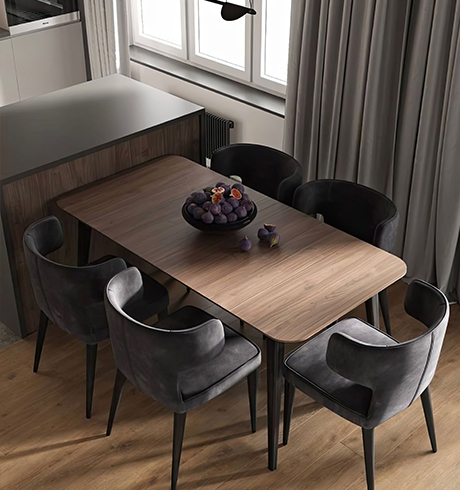
Study Room Interior Design
A study room should help you focus without feeling cold or overly formal. It should be a space where you can settle down, concentrate and get things done.
A comfortable desk, practical storage and suitable lighting are the basics, but the surroundings matter too. Colours, textures and materials can influence the atmosphere and make the room feel more inviting.
For smaller homes, a study area can be incorporated into a bedroom, living room or unused corner. With thoughtful planning, even a compact space can become a productive workspace.
Good design interior design thinking is particularly important here. Every element should have a reason for being there, from the position of the desk to the way books and everyday essentials are stored.
Home Office Interior Design
The way we work has changed how we think about our homes. A home office is no longer simply a desk placed in an empty corner. For many people, it has become an important part of everyday life.
A well designed home office should provide enough storage, comfortable seating, appropriate lighting and a sense of separation from the rest of the home.
Some people may prefer a clean and minimal workspace while others may feel more inspired by colour, artwork and personal objects. There is no right answer. The best office is one that helps you work comfortably and feels like a natural part of your home.
Bathroom Interior Design
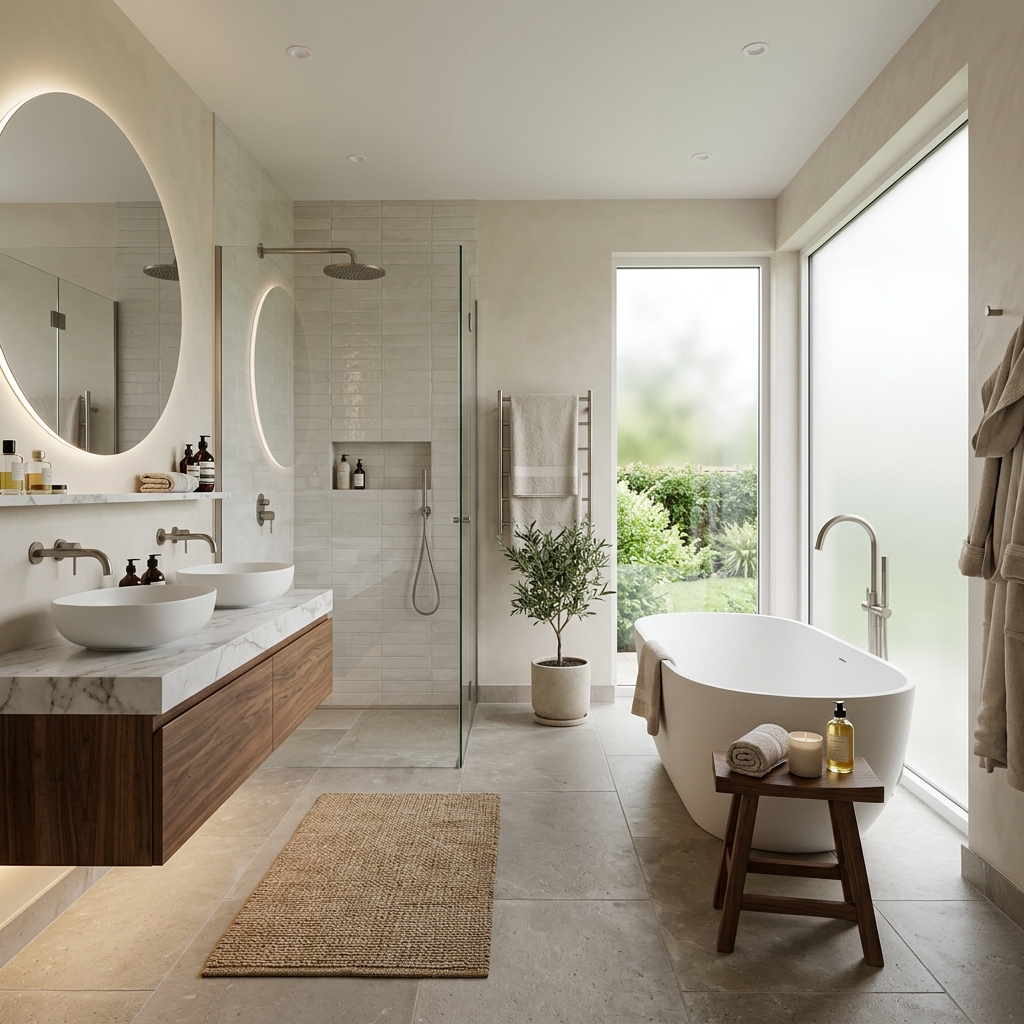
Bathrooms may be smaller than other rooms, but they offer plenty of opportunities for thoughtful design.
The combination of tiles, vanity units, mirrors, lighting, storage and surfaces can completely change the character of a bathroom. Light colours can make compact spaces feel more open while deeper tones can create a more intimate and luxurious atmosphere.
Storage should also be considered from the beginning. A clean bathroom is easier to maintain when everyday products have a designated place.
Whether the vision is a simple contemporary bathroom or a more luxurious spa inspired space, good interior design can make even a functional room feel special.
Wardrobe Design
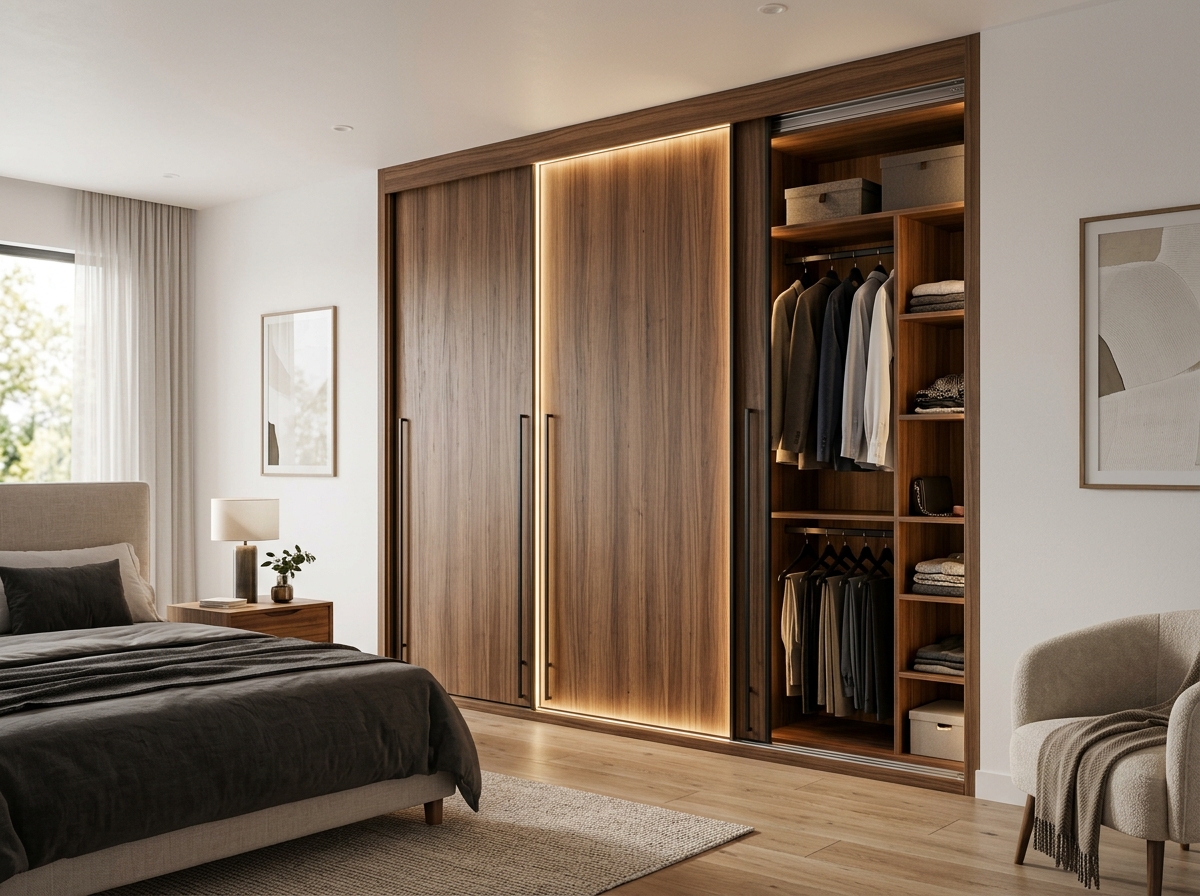
A wardrobe is one of the largest visual elements in many bedrooms, so it deserves as much attention as the rest of the room.
The right wardrobe design combines storage with aesthetics. Sliding or hinged shutters, internal organisers, shelves and drawers can be planned around individual requirements.
The exterior finish can then be selected to complement the bedroom. Subtle colours can blend into the surroundings while contrasting finishes can turn the wardrobe into a statement feature.
A good wardrobe should make getting ready easier, keeping things organised and making the bedroom feel less cluttered.
TV Unit Designs
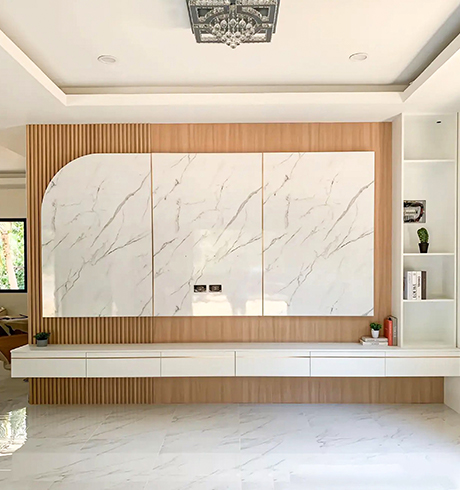
A TV unit can do much more than hold a television. It can bring together storage, display and design while creating a focal point for the living room.
Modern TV unit designs can include open shelves for books and décor, concealed storage for everyday items and feature surfaces that add visual interest.
The design should complement the rest of the room rather than competing with it. When the proportions, materials and lighting are right, the TV unit can feel like an integrated part of the architecture.
Dining Room Interior Design
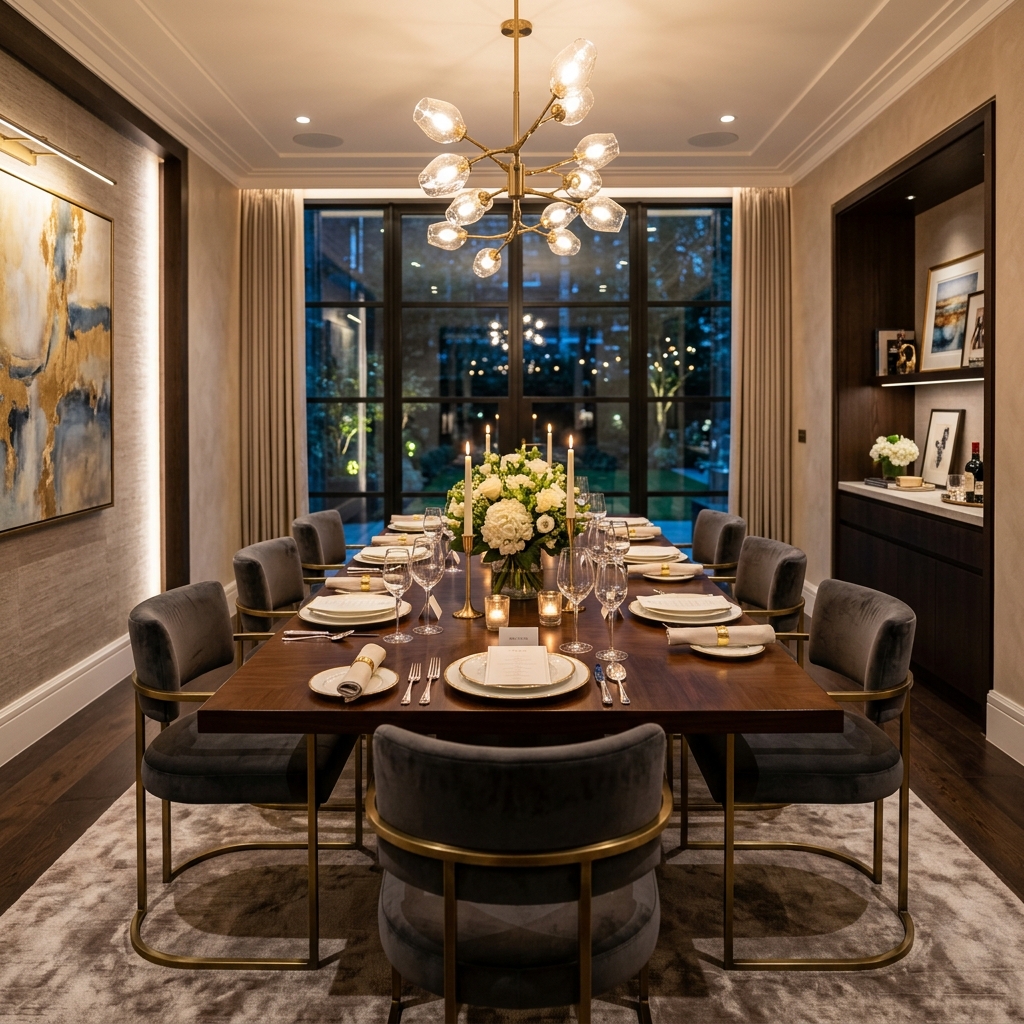
The dining room is about bringing people together. Whether it is a quick weekday breakfast or a long dinner with family and friends, the space should feel comfortable and welcoming.
The dining table naturally becomes the centre of the room, but lighting, wall treatments, crockery storage and surrounding surfaces can help define the overall atmosphere.
A statement pendant above the table can create intimacy while a carefully selected crockery unit can add both storage and character.
The best dining spaces encourage people to slow down, sit together and enjoy the moment.
Pooja Room Design
A pooja room brings a different kind of character to a home. It is a space where simplicity, detail and tranquillity come together.
Traditional elements can be interpreted through contemporary materials, elegant storage and subtle lighting. Whether the pooja space is a dedicated room or a compact corner, thoughtful planning can help it feel peaceful and purposeful.
Foyer Interior Design
The entrance is the first introduction to a home. It does not need to be large to make an impression.
A well designed foyer can combine a console, mirror, storage, lighting and decorative details to create a welcoming entrance. Even small spaces can feel considered when every element is selected with purpose.
The foyer can also establish the colour palette and material language that continues throughout the rest of the home.
Balcony Design
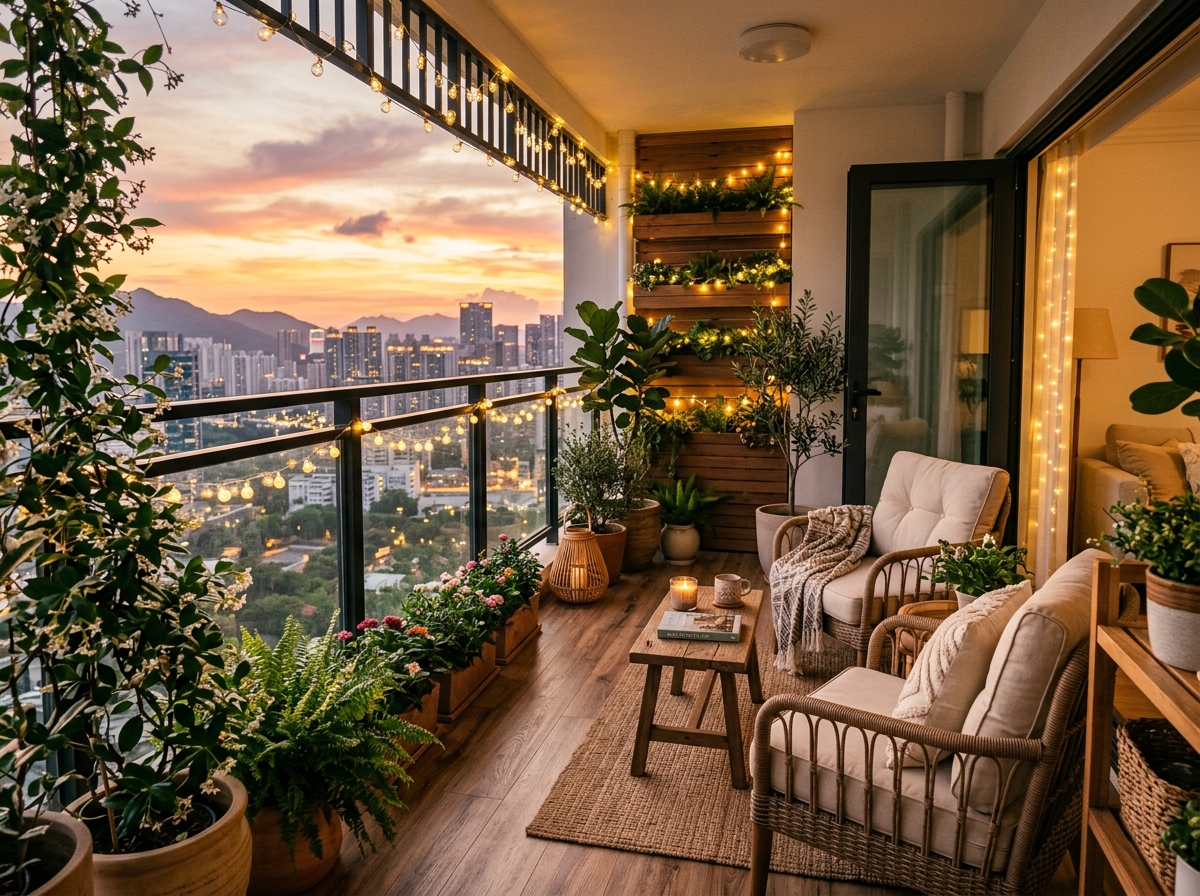
A balcony can become one of the most enjoyable corners of a home when it is designed thoughtfully.
Comfortable seating, greenery, suitable lighting and practical surfaces can turn an unused balcony into a place for morning coffee, evening conversations or simply taking a break.
Even a compact balcony can feel inviting when the design focuses on comfort and makes the most of the available space.
Home Bar Design
For those who enjoy entertaining, a home bar can add a distinctive touch to the living or dining area.
It does not always require a large space. A compact counter, display shelves and dedicated storage can create a stylish feature while keeping everything organised.
Materials, lighting and finishes can be chosen to complement the rest of the home while giving the bar its own personality.
Crockery Unit Design
A crockery unit can combine practical storage with visual appeal. Glass shutters, open shelves, concealed cabinets and integrated lighting can be used to create a feature that belongs naturally in the dining or living area.
It can display treasured pieces while keeping everyday items organised, making it a small but meaningful part of the overall design.
False Ceiling, Wall and Flooring Design
Interior design does not stop at furniture. The ceiling, walls and flooring form the backdrop against which everything else is experienced.
False ceilings can introduce layers and lighting. Wall treatments can add texture, colour and personality. Flooring can establish the foundation of the entire interior.
When these elements are planned together, the result feels cohesive rather than assembled piece by piece.
Finding an Interior Designer Near Me
Searching for an interior designer near me is often the first step when ideas begin turning into plans. But choosing a designer is about more than finding someone with attractive projects.
The right designer should understand how you live, what you need from your space and what kind of atmosphere you want to create. They can help bring together layouts, materials, colours, storage and finishes so that the individual decisions work as one complete concept.
Whether you are redesigning a single room or planning an entire home, professional guidance can make the journey more structured and purposeful.
Creating a Home That Feels Like You
Ultimately, home interior design is not about creating a home that looks like everyone else's. Trends can provide inspiration, but your home should reflect your own way of living.
Maybe that means a kitchen designed around weekend cooking, a living room made for family gatherings, a study that gives you space to concentrate or a bedroom that feels like a quiet escape at the end of the day.
That is the real purpose of interior design. To take an empty space and fill it with choices that have meaning.
From the smallest detail to the largest room, every decision can contribute to the story of a home.
And when design, functionality and personality come together naturally, the result is more than a beautiful interior. It becomes a place that feels like yours.