July 27, 2026
Blog Details
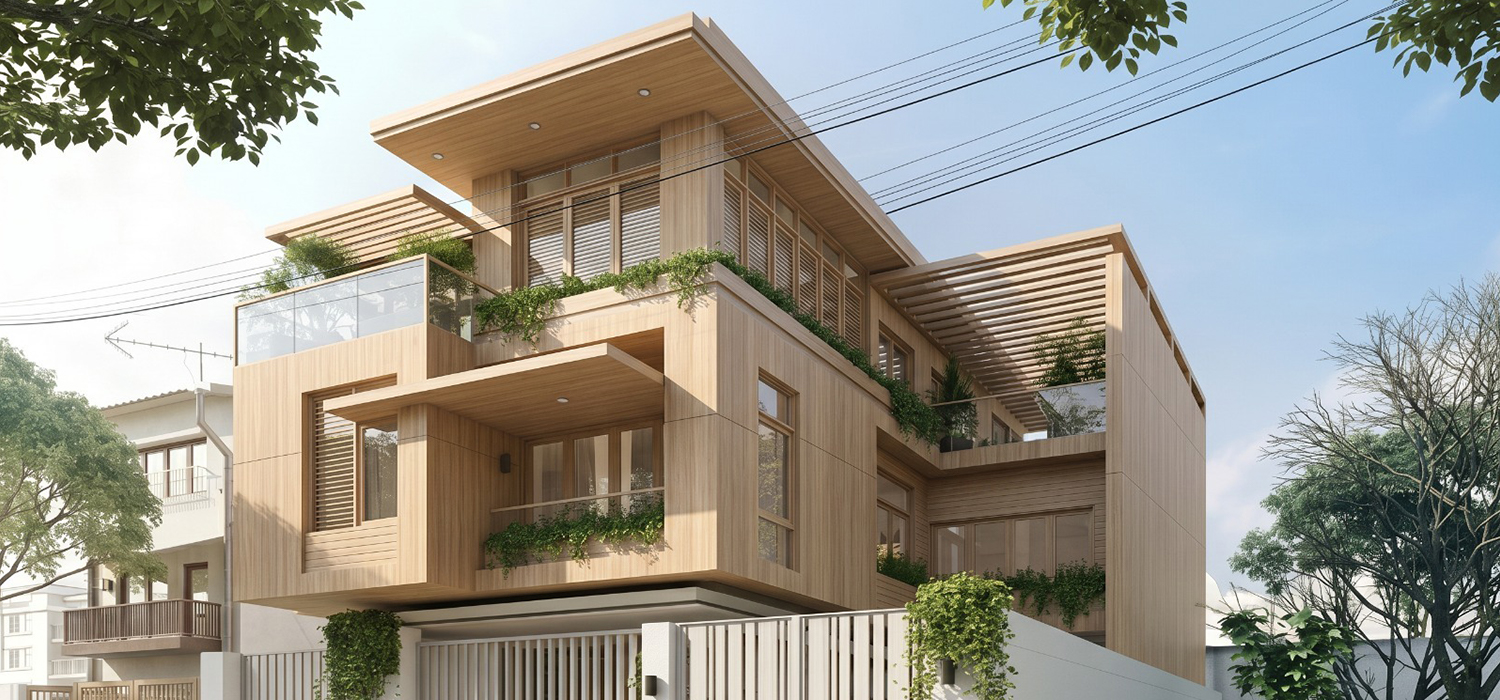
Modern commercial buildings’ exterior plays a critical role in protecting the structure, improving energy efficiency and shaping the identity of the building. The right cladding system can significantly influence a building's long-term performance and maintenance requirements for an office tower, shopping center, educational institution or healthcare facility.
Now sustainable construction and energy-conscious design become industry priorities, architects and developers are increasingly choosing materials that combine aesthetics with durability. Exterior High Pressure Laminate (HPL) combine durability with design freedom. With excellent weather resistance, low maintenance and a huge choice of design options, they are a trusted solution for ventilated façades and rainscreen cladding in contemporary architecture.
Why are rainscreen cladding systems becoming the preferred choice?
Modern commercial architecture has moved beyond just traditional exterior walls. With the time, modern façades are switching towards rainscreen cladding systems due to its overall performance rather than simply covering its exterior.
By creating a ventilated cavity between the outer cladding panel and the structural wall this rainscreen system allows air to circulate. Instead of trapping moisture, it helps water to evaporate quickly and keep the building envelope dry. It reduces the risk of moisture damage and extends the life of the structure.
Continuous insulation behind the cladding minimise thermal bridging. Resultantly it reduces heat gain during summer and heat loss in winter that improves indoor comfort and lower energy consumption for heating and cooling.
Being highly durable, exterior HPL panels protect the building from harsh weather, UV exposure, pollution and environmental wear, reducing maintenance costs over the years.
Lightweight cladding panels offer an efficient over-cladding solution for renovation projects. It can also give a modern appearance to existing commercial buildings without placing excessive additional load on the structure by upgrading façade faster and more economical.
Exterior compact laminates are built to deliver long-lasting performance
The strength of exterior compact laminates is backed by an advanced manufacturing process. To create a dense, non-porous panel, multiple layers of kraft paper impregnated with phenolic resin are compressed under high heat along with decorative surface layers. This design is planned to perform in demanding outdoor conditions.
Often rain and humidity take a toll on building exteriors, but exterior compact laminates are built to handle both. They make panels stay strong and stable through their solidity and water resistant capacity keeping moisture out.
Compact HPL panels offer excellent impact and flexural strength, despite being lightweight. Unlike stone or precast concrete, exterior compact laminates are much lighter, reducing the load on the building while still offering long-lasting durability.
Exterior compact laminates are thoughtfully designed to perform reliably under changing weather conditions. They maintain the alignment of façade by staying stable under fluctuating temperature. They reduce the stress caused by continuous expansion and contraction.
They are easy on maintenance by protecting the surface resisting dirt, pollution, graffiti and harsh weather. It helps the façade retain its appearance over time. Often a simple wash with water or a mild cleaning solution is enough to keep it looking clean and well-maintained.
Designed for modern architecture requirement
Materials that combine performance with creative freedom are highly demanded by commercial projects- from minimalist office buildings to hospitality and retail projects. This requirement is fulfilled by exterior HPL panels by offering a wide range of colours, textures and finishes.
Eliminating the concerns of termites, rotting or regular refinishing, wood-inspired finishes recreate the warmth and elegance of natural timber which are commonly used for entrances, soffits, balconies and feature walls.
To enhance the visual appeal of natural materials, stone, slate and marble-inspired decors are provided by avoiding their weight and structural limitations.
For corporate branding and bold architectural statements across large façades, using solid colours and monochromatic finishes are highly recommended.
Whereas, matt, suede and textured finishes reduce glare, adding depth and character suitable for contemporary commercial elevations.
Understanding EN 438 Testing Standards
To ensure if the material meets recognized performance and safety standards, it becomes necessary to understand the EN 438 standards before specifying exterior HPL panels. Each part of the standard serves a different purpose.
EN 438-2: Testing Methods
EN 438-2 establishes the laboratory testing procedures used to evaluate laminate performance. It outlines how different properties are measured consistently, rather than defining product classifications.
To assess colour stability the procedure includes weather and UV resistance test. The dimensional mechanical performance stability is teste under changing temperature and humidity, after prolonged sunlight exposure.
EN 438-6: Material Performance
The results generated under EN 438-2 are used by EN 438-6 to define performance requirements for exterior compact laminates, measuring 2 mm or more in thickness.
Later, based on their intended application, panels are classified. For projects requiring enhanced fire performance, type EDF is used to suit severe outdoor environments and incorporates flame-retardant properties. For projects having primary requirement of weather resistance, Type EGS is intended considering standard exterior applications.
EN 438-7: Installed System Performance
While EN 438-6 focuses on the panel itself, EN 438-7 evaluates the performance of the complete cladding system once installed.
It ensures structural safety for wall and ceiling cladding assemblies by testing mechanical anchorage, fastener pull-out strength, wind pressure and suction resistance. If the façade system is complied with EN 438-7 standards, it provides confidence of performing reliably under real-world conditions.
Choosing the right standard for different projects
It becomes inevitable to specify the appropriate standards, depending upon requirement of the performance priorities of different commercial projects.
High-rise structures face greater fire safety requirements and higher wind loads. Considering that, both EN 438-6 Type EDF and EN 438-7 should be specified, making both material performance and structural compliance essential.
Whereas, EN 438-6 Type EGS supported by EN 438-2 testing is generally suitable for low-rise retail developments, entrance canopies and soffits. These applications typically experience lower structural demands while still requiring long-term weather resistance.
EN 438-7 becomes particularly important in coastal locations or areas exposed to strong winds. Even if the panel material performs well, the fixing system and structural connections must be capable of resisting high wind pressures and suction forces throughout the building's life.
Best practices for specification
Choosing quality panels with proper specifications enhances the performance of the façade after installation.
To encourage airflow and effective moisture drainage, incorporate a ventilated cavity behind exterior HPL panels.
Often, local regulations require enhanced fire safety. It is highly recommended to install flame-retardant Type EDF panels to meet standardised building codes.
To ensure structural integrity and clean aesthetics, robust aluminium framing systems, whether exposed colour-matched rivets or concealed mechanical anchors, are recommended with suitable fixing methods.
To ensure the high performance of the façade, install it by maintaining appropriate expansion gaps. Allow thermal movement with proper detailing, preserving joint alignment.
Summing Up
For a future-ready commercial façade, a proper balance of appearance with performance is the need of the hour. Exterior High-Pressure offers a wide range of effective solutions by combining durability, weather resistance, fire compliance, low maintenance and extensive design flexibility.
Any commercial project can achieve reliable long-term performance while maintaining a modern architectural identity by selecting products tested under EN 438-2, classified according to EN 438-6, and installed in compliance with EN 438-7.
For projects that demand certified quality and design versatility, VIR KLADS offers exterior compact laminates backed by advanced manufacturing, multiple design options, superior weather resistance and a 10-year warranty, helping architects create commercial façades built to perform for decades.


