June 6, 2024
Blog Details
Four Ways Laminates Improve the Well-Being of Patients in Healthcare Facilities!
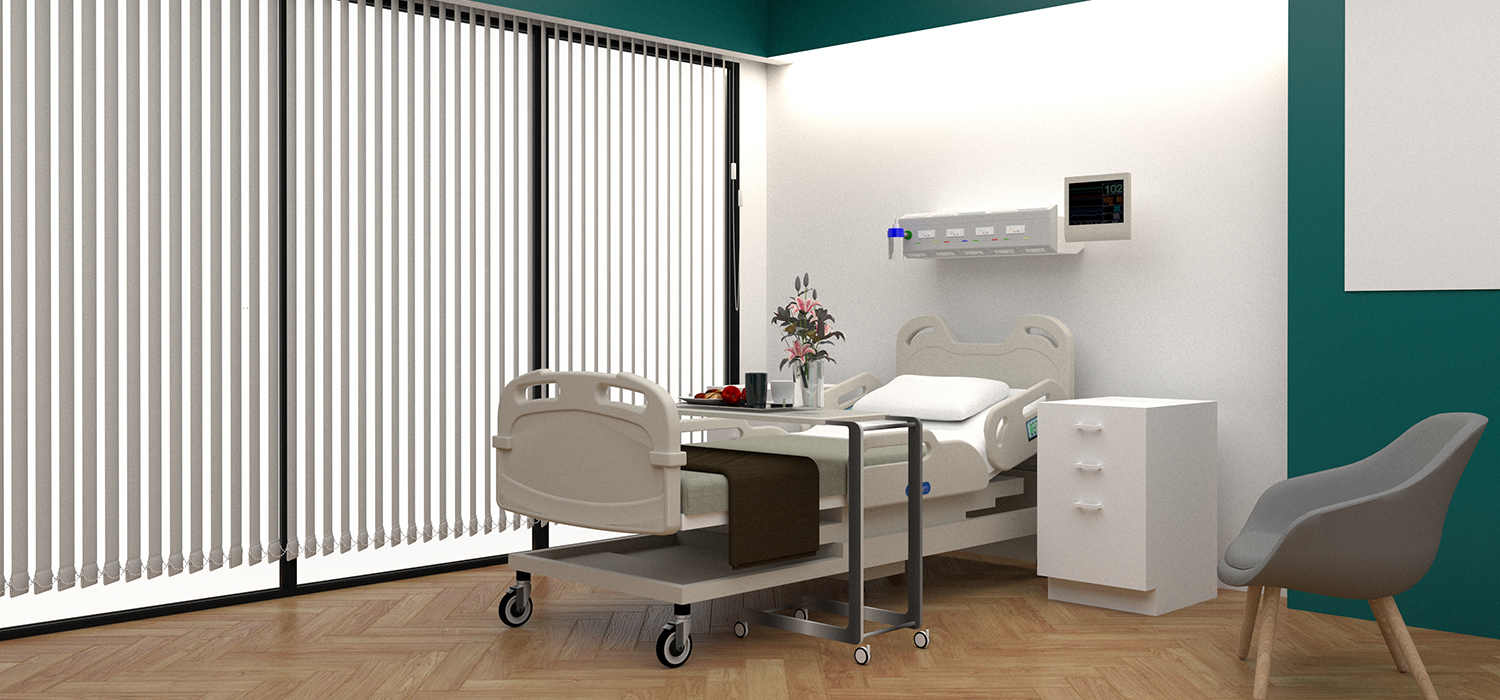
Creating environments that support patient well-being is a top priority in healthcare design. Because of their special qualities, laminates greatly improve the patient experience. In addition to offering durability, noise reduction, safety features and the promotion of cleanliness and hygiene, they aid in the creation of visually pleasant settings that lower stress and foster a supportive and healing environment. In this blog, we explore the ways that laminates help and heal patients by creating a clean, comfortable and optimistic atmosphere.

Biophilic Design
The word “biophilia” was first used by
naturalist and writer Edward O. Wilson to refer to the “missing
link in sustainable design” that connects humans with nature.
Biophilia is the theory that explains why our bodies react to
certain natural conditions in a favorable manner. It was
developed over millennia when our predecessors were more in tune
with the natural world than we are. Healthcare designers have
been investigating how biophilia might improve staff happiness,
productivity and patient outcomes in the last several years.
Laminates allow the integration of biophilic
elements, providing surfaces that mimic natural textures and
patterns, thereby creating a sense of tranquility and connection
to the landscape. Using laminates that replicate natural
material, such as wood or stone, healthcare spaces are
transformed into havens of healing. This promotes patient
well-being and reduces stress.
Acoustical and Thermal Comfort
Another element that affects staff and
patient happiness and health is acoustics. A modest
modification, such as switching to sound-absorbing laminates,
greatly improves patients’ perceived quality of care. Loud
surroundings may adversely affect patients’ comfort and
recovery. Laminates designed with sound-absorbing properties
reduce noise pollution within healthcare environments, fostering
a peaceful environment for patients.
Another crucial component of patient comfort
is thermal comfort. This is influenced by many environmental
variables such as air temperature, radiant temperature, relative
humidity, air velocity and turbulence. Laminates provide optimal
thermal comfort and help to maintain the right temperature for
patient recuperation and infection control. Laminates support
positive health outcomes by addressing these crucial
environmental factors.
Daylight Exposure
The majority of people would agree that days
with bright, sunny skies make them feel better than ones with
gloomy clouds. Studies demonstrate that exposure to natural
light has a good effect on the human body and brain.
Laminates play a vital role in maximizing
daylight exposure within healthcare facilities. It creates
bright and airy spaces that uplift spirits and promote healing.
Choosing light-colored laminates and reflective surfaces
strategically can boost natural light, cultivating a sense of
positivity and vitality in patients, visitors and staff.
Colorful Considerations
According to studies, some of the greatest
settings for well-being and recovery include a range of colors,
including warm and cold tones and different levels of color
saturation. Laminates offer a versatile canvas for incorporating
thoughtful color schemes that promote positivity and comfort
within healthcare settings.
With the use of solid coloured laminates and
decorative laminates, the interior designer can create visually
stimulating environments that engage the senses and inspire a
sense of calm and serenity. The careful pairing of laminates
with color accents contributes to a welcoming environment that
enhances patient comfort and facilitates healing.
Wrapping Up
In conclusion, laminates serve a key role in promoting the well-being of patients inside healthcare institutions. Through biophilic design, acoustical and thermal comfort enhancements, increasing daylight exposure and attentive consideration of colorful accents, laminates contribute to creating settings that promote healing and comfort.
By incorporating these qualities into hospital environments, designers may generate a feeling of serenity, optimism and support, eventually assisting in patient recovery and staff well-being. With laminates, healthcare institutions may work towards developing places that emphasize patient comfort, limit stress and enable good results, further strengthening the essential relationship between environment and recovery.