October 24, 2026
Blog Details
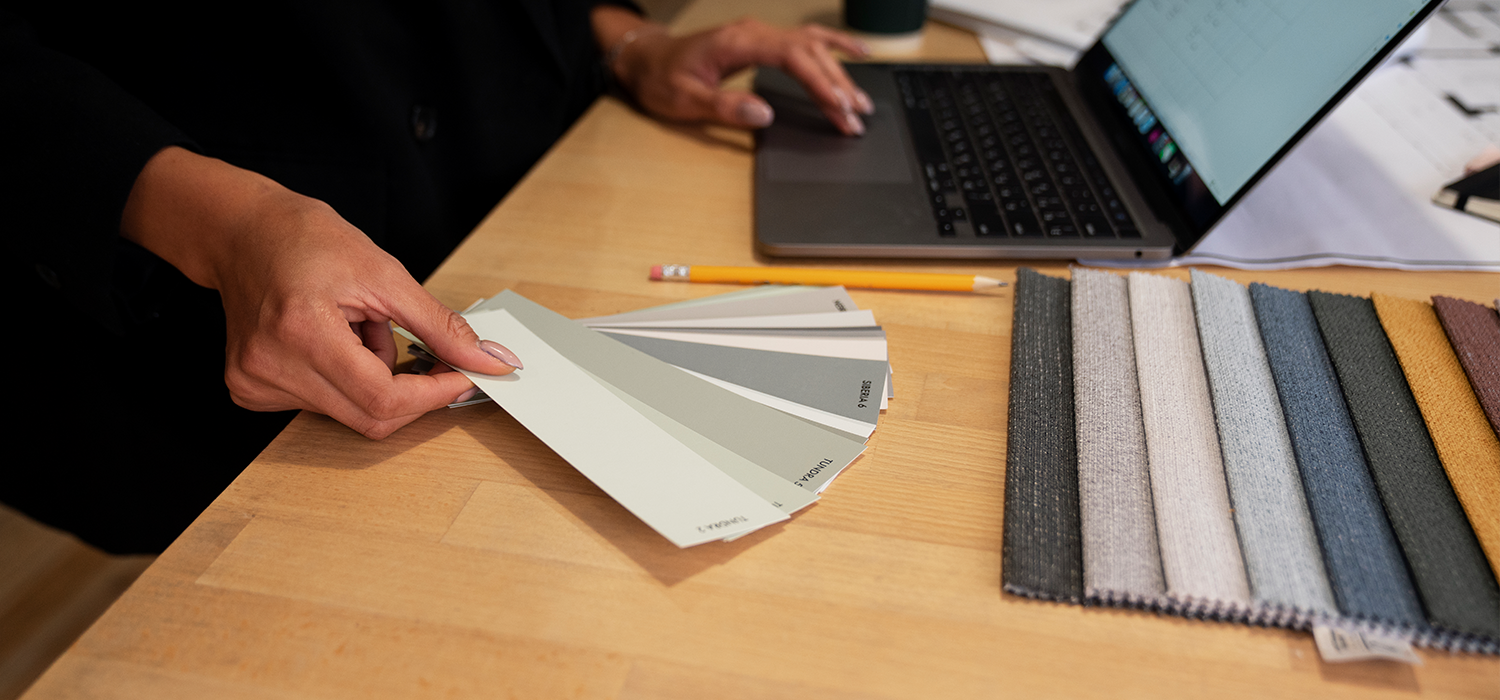
Furniture and interior design depend on decisions that balance appearance, performance and practicality. For manufacturers, the right surface material must support consistent production and quality. For interior designers, it must complement the space while standing up to everyday use. Choosing the right laminates brings these requirements together, helping create furniture that looks good, functions well and remains practical over time.
The Material Behind Better Furniture
Good furniture is judged by more than its shape. Its finish, texture and ability to withstand daily use influence how it looks and performs over time. For furniture manufacturers and interior designers, selecting the right surface material is an important decision involving durability, cost, appearance and ease of fabrication.
A quality laminate sheet offers the flexibility to create different styles without limiting furniture to natural wood or plain colours. From kitchen cabinets and wardrobes to office workstations and retail counters, laminates provide a practical way to coordinate surfaces across residential and commercial projects.
However, not every product suits every application. Understanding the available types and their performance characteristics helps professionals make informed choices.
Types of Laminate Sheets to Consider
- Laminates come in different thicknesses, finishes and grades, each designed for particular requirements.
- High-pressure laminates (HPL) are widely used for furniture and interior surfaces that require a durable decorative finish. Manufactured by pressing resin-treated papers under heat and pressure, they offer resistance to everyday wear, scratches and stains, depending on the product specification.
- Decorative laminates provide an extensive choice of colours, patterns and textures for wardrobes, cabinets, wall panelling and other interior elements. Wood grains, stone-inspired patterns and solid colours help manufacturers cater to different design preferences.
- Compact laminates are thicker products intended for applications requiring self-supporting panels, including certain partitions and commercial installations. Other specialised options include post-forming laminates for curved edges, digital laminates for customised designs and exterior-grade products developed for outdoor exposure.
- Before selecting a product, consider its intended application, performance requirements, appearance and fabrication needs. VIR Laminate offers different decorative and specialised solutions, allowing professionals to explore options according to project requirements.
Choosing Laminates According to Application
- A wardrobe shutter, a kitchen cabinet and a commercial reception desk may all use decorative surfaces, but their everyday demands differ.
- For residential furniture, manufacturers can prioritise finishes that complement the interior while withstanding routine handling and cleaning. Kitchen cabinets and dining tables require surfaces suited to frequent use, spills and regular maintenance.
- Office furniture has different requirements. Workstations, storage units and reception counters need finishes that maintain their appearance despite repeated contact. In retail and hospitality interiors, coordinating multiple furniture elements is equally important for creating a consistent visual identity.
- Specialised environments may require application-specific products. Laboratory furniture, for instance, may need suitable chemical resistance, while exterior applications require materials designed for outdoor exposure.
- The right laminate sheeting should therefore be selected according to its intended use, exposure conditions and installation method. A product suitable for a bedroom wardrobe should not automatically be assumed suitable for a laboratory worktop or outdoor surface.
Key Factors to Evaluate Before Selecting Laminate Sheets
Appearance may begin the selection process, but practical and technical considerations determine whether the material is suitable.
Thickness and grade: These should match the application and the manufacturer's recommendations. Thicker products are not automatically better for every purpose.
Surface performance: Consider scratch, abrasion, stain, moisture and impact resistance where relevant. Always review the product specifications.
Finish and texture: Glossy surfaces create a reflective appearance, while matte and textured finishes offer a more understated look.
Fabrication and installation: Substrate preparation, adhesive compatibility, cutting accuracy and edge finishing influence the final result.
Maintenance: Check the recommended cleaning methods, particularly for kitchens, workstations and commercial interiors.
Supply consistency: Confirm availability, dimensions and batch consistency before ordering for larger projects.
A dependable laminate sheet is one that meets the project's visual expectations and technical requirements. Evaluating these factors early can reduce avoidable replacements, delays and additional costs.
What Furniture Manufacturers Should Prioritise?
- For furniture manufacturers, material selection affects more than appearance. It also influences production planning, fabrication time, wastage and consistency across finished products.
- Before placing an order, confirm sheet dimensions, thickness, finish availability and suitability for the intended furniture. For repeat production, maintaining clear product specifications and design references can simplify future sourcing.
- Manufacturers should also consider how the material will be handled during cutting, bonding and finishing. Proper storage, suitable adhesives and careful fabrication help minimise defects.
- A few checks can make procurement more efficient:
- Verify that the selected grade meets the furniture's performance requirements.
- Confirm availability in the quantities required.
- Check compatibility with existing fabrication processes.
- Review technical specifications and installation guidance.
- Discuss repeat-order availability and delivery schedules.
- Working with an established Laminates Manufacturers can simplify sourcing, particularly when projects require multiple finishes or larger quantities.
Price remains important, but the lowest initial cost does not always deliver the best overall value. Material suitability, consistency and production efficiency deserve equal attention.
Selecting Laminates for Interior Design Projects
- Interior projects require careful coordination. Designers must consider how a surface interacts with flooring, wall colours, lighting, hardware and other materials.
- For contemporary interiors, solid colours and subtle textures create a restrained appearance. Wood-inspired finishes introduce warmth, while stone patterns add contrast to kitchens, reception areas and feature furniture. Combining complementary finishes can create depth without making the design feel crowded.
- Before finalising a selection, consider these points:
- Match the mood: Warm wood grains suit inviting interiors, while understated solids complement contemporary spaces.
- Consider lighting: Colours can appear different under daylight and artificial lighting.
- Check pattern scale: A bold grain may look more prominent across a large wardrobe or wall panel.
- Coordinate rather than overmatch: Related colours and textures often create a more balanced result.
- Review physical samples: Compare finishes with flooring, paint, cabinetry and hardware before approval.
VIR Laminate offers a range of decorative designs and textures, giving designers and manufacturers options for coordinating residential and commercial interiors.
The most effective surface selection supports the intended aesthetic while meeting the practical demands of the space. Bringing design and technical decisions together early can also prevent unnecessary changes during execution.
Why Does the Right Laminate Supplier Matter?
A supplier plays an important role in ensuring material selection leads to a dependable project outcome. Product variety matters, but so do consistent availability, clear specifications and access to technical information.
For manufacturers and interior professionals, a reliable supplier can simplify the process of comparing finishes, selecting grades and planning quantities. Confirming delivery schedules, sample availability and product documentation before placing a large order can help prevent disruptions.
VIR Laminate offers decorative and application-specific surface solutions for furniture and interior projects, including storage units, cabinet doors, partitions and wall panelling. Its range allows professionals to explore different finishes while considering the needs of each application.
When evaluating a supplier, look beyond the catalogue. Check whether product information is clear, samples are available for review and required designs can be sourced consistently. These details become particularly important for projects involving multiple stages or repeat orders.
An experienced Laminates Manufacturer can support better-informed material selection through product variety and relevant technical guidance. The final choice should always reflect the requirements of the intended application.
Ultimately, choosing the right laminate sheeting means balancing design, performance and production requirements. With suitable materials, careful fabrication and proper installation, manufacturers and designers can create furniture and interiors that remain attractive and practical through everyday use. Surface selection is not merely the finishing touch; it is an integral part of building better interiors.


