August 26, 2026
Blog Details
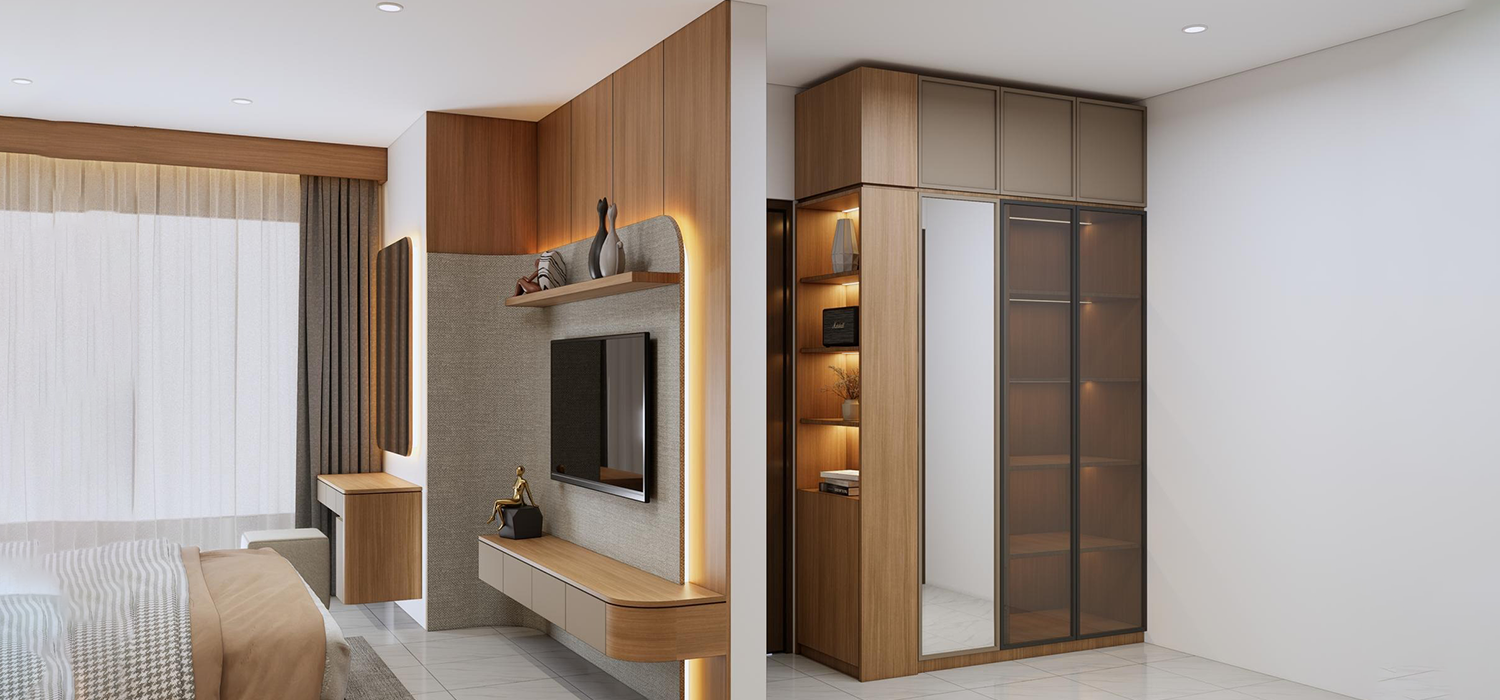
Your wardrobe is one of the most-used pieces of furniture in your home, and its finish sets the tone for your entire bedroom. Choosing the right wardrobe laminate design isn't just about picking a color you like in a catalog — it's about balancing aesthetics, durability, budget, and maintenance to get a wardrobe that looks great for years, not just months. With hundreds of shades, textures, and finishes available today, homeowners often feel overwhelmed by the choices in front of them.
This guide breaks down everything you need to know before finalizing a wardrobe laminate design, so you can make a confident, informed decision.
Why Laminate Is a Popular Choice for Wardrobes
Before diving into how to choose a design, it helps to understand why laminates remain one of the most preferred materials for wardrobe surfaces:
- Durability: Laminates resist scratches, stains, and daily wear better than many other surface materials.
- Affordability: Compared to veneer or solid wood finishes, laminates offer a premium look at a fraction of the cost.
- Variety: From wood grains to solid colors, high-gloss to matte, laminates come in an enormous range of designs.
- Low Maintenance: Laminates are easy to wipe clean and don't require special polishing or sealants.
- Moisture Resistance: Good quality laminates hold up well in humid conditions, making them suitable for most Indian climates.
These advantages make laminate an easy default choice, but the real value comes from selecting the right design and finish for your specific space.
Factors to Consider When Choosing a Wardrobe Laminate Design
1. Match It with Your Room's Theme
Your wardrobe shouldn't feel like an isolated piece of furniture — it should blend with your bedroom's overall theme. If your room has a minimalist, contemporary look, solid colors or subtle textures work best. For a warmer, traditional feel, wood-grain laminates in walnut, teak, or oak tones are ideal. Take a moment to look at your flooring, wall color, and existing furniture before finalizing a shade.
2. Consider the Size of the Room
Laminate color and finish can visually alter the perception of space:
- Small bedrooms: Light shades like white, beige, or pastel laminates make the room feel more open and airy.
- Large bedrooms: Darker tones or bold patterns can add depth and character without overwhelming the space.
- Low natural light: Avoid very dark or matte laminates, as they can make the room feel dull. Opt for lighter or glossy finishes that reflect light.
3. Choose the Right Finish: Glossy, Matte, or Textured
The finish of a laminate changes both its look and functionality.
- Glossy laminates offer a sleek, modern, reflective appearance and make small spaces look bigger, but they show fingerprints and scratches more easily.
- Matte laminates offer a sophisticated, understated look and are more forgiving when it comes to smudges and minor scratches.
- Textured laminates (like wood-grain or fabric-finish) add a tactile, premium feel and are excellent at hiding daily wear.
If you have kids at home or expect heavy daily use, matte or textured finishes are generally more practical than high-gloss options.
4. Think About Long-Term Maintenance
Some laminate designs demand more upkeep than others. Glossy black or dark-colored laminates, for instance, highlight dust and fingerprints quickly, requiring frequent cleaning. Lighter and textured laminates tend to hide daily grime better, making them a smarter pick for busy households.
5. Balance Trends with Timelessness
While bold colors and statement patterns may be trending now, wardrobes are long-term investments — most homeowners don't replace them for 10-15 years. Choosing an overly trendy design might feel dated in a few years. A safer approach is to pick a timeless base laminate design for larger surfaces and introduce trendier elements through handles, accents, or interior paneling.
6. Factor In Your Budget
Laminate pricing varies based on brand, thickness, finish, and design complexity. Decorative and textured laminates are typically priced higher than plain, solid-color options. Set a budget range in advance and shortlist designs within it, rather than falling in love with a laminate that stretches your budget significantly.
7. Check Laminate Thickness and Grade
Not all laminates are created equal. Higher thickness laminates (typically 0.8mm–1mm) offer better durability and impact resistance, making them well-suited for wardrobe shutters that see frequent opening and closing. Always ask your manufacturer or dealer about the thickness and quality grade before purchasing.
8. Consider the Interior Layout Too
While the exterior design gets most of the attention, don't ignore the wardrobe's interior. Lighter laminates inside the wardrobe make it easier to see clothes and accessories, especially in wardrobes without internal lighting.
Popular Wardrobe Laminate Design Trends
If you're looking for inspiration, here are some design directions currently popular among homeowners:
- Wood-grain finishes: Natural, warm, and versatile — works with almost any interior style.
- Matte solid colors: Whites, greys, sage greens, and muted blues for a clean, modern look.
- High-gloss lacquer-style laminates: Bold colors like maroon, navy, or black for a statement wardrobe.
- Stone and marble-effect laminates: A luxurious touch, often used as accent panels rather than the entire wardrobe surface.
- Dual-tone combinations: Mixing two complementary laminate shades or finishes for a layered, contemporary look.
Trusted by Homeowners and Businesses Worldwide
Quality and consistency matter just as much as design when choosing a laminate for your wardrobe. Our laminates are manufactured to meet international quality standards and are exported across the globe, serving customers in North America, South America, Europe, the Middle East, Africa, and Asia-Pacific. This global reach reflects the trust that architects, interior designers, and homeowners place in our laminate quality and finish consistency, no matter where they are located.
Our laminates are currently exported to:
- North America: United States, Canada, Mexico
- Caribbean & Central America: Puerto Rico, Dominican Republic, Nicaragua, Guatemala, Honduras, El Salvador
- South America: Chile, Peru, Venezuela, Brazil
- Europe: Portugal, Spain, Romania, Slovakia, Bulgaria, Kosovo, Serbia, Italy, Turkey, Greece, Latvia, Switzerland, Netherlands, Ireland
- Middle East: Bahrain, Iran, Iraq, Israel, Jordan, Kuwait, Oman, Palestine, Qatar, Saudi Arabia, Syria, UAE, Yemen
- Africa: Tunisia, Cameroon, Egypt, Malawi, Senegal, Sudan, Cote d'Ivoire
- Asia-Pacific: Russia, Uzbekistan, Bangladesh, Brunei, China, Fiji, Hong Kong, Indonesia, Korea, Malaysia, Nepal, Philippines, Singapore, Thailand, Vietnam
- Oceania: Australia
- Wherever you're sourcing from, you can be confident that the same rigorous quality checks and design standards apply, giving you a wardrobe laminate that performs consistently across climates and conditions.
Tips for Making the Final Decision
- Get physical samples: Laminate swatches can look different on screen or in a catalog versus in your actual room lighting. Always request samples before finalizing.
- View samples in your room's lighting: Natural daylight, warm bulbs, and cool white lights all affect how a laminate shade appears.
- Think beyond the bedroom: If your wardrobe is visible from a hallway or connected space, ensure it complements that area too.
- Consult a professional: An interior designer or experienced carpenter can help you visualize how a laminate design will look at full scale.
- Ask about warranty and after-sales support: A good laminate manufacturer will offer warranties against peeling, fading, or delamination.
Frequently Asked Questions
Which laminate finish is best for wardrobes — glossy or matte?
Both have their advantages. Glossy laminates give a modern, reflective look and make small spaces feel bigger, but they show fingerprints and scratches easily. Matte laminates are more practical for daily use since they hide smudges and minor scratches better, making them a popular choice for family homes.
How do I choose a laminate color that won't look outdated in a few years?
Stick to neutral or classic tones — such as light wood grains, whites, greys, or beiges — for the main wardrobe surface. You can introduce trendy colors or patterns through smaller design elements like handles, borders, or interior shelving, which are easier and cheaper to update later.
What laminate thickness is recommended for wardrobe shutters?
For wardrobe shutters, a thickness of 0.8mm to 1mm is generally recommended, as it offers better resistance to daily impact, warping, and wear compared to thinner laminates.
Does laminate color affect how big or small a room looks?
Yes. Lighter laminate shades tend to make a room feel more open and spacious, while darker shades add depth but can make a small room feel more closed in. In rooms with limited natural light, lighter or glossy finishes help maintain brightness.
Are textured laminates better than plain ones for wardrobes?
Textured laminates, such as wood-grain or fabric-finish designs, tend to hide daily wear, fingerprints, and minor scratches better than plain, solid-color laminates. They also add a more premium, tactile feel to the wardrobe surface.
How much maintenance do laminate wardrobes require?
Laminate wardrobes are relatively low-maintenance. Regular wiping with a soft, dry or slightly damp cloth is usually enough. However, glossy and dark-colored laminates may need more frequent cleaning since they show dust and fingerprints more visibly.
Can I mix two different laminate designs on one wardrobe?
Yes, dual-tone or mixed-material wardrobes are a growing trend. Combining two complementary laminate shades or finishes — such as a matte base with a glossy accent panel — can create a layered, contemporary look without overwhelming the space.
Should the interior of the wardrobe also be laminated?
While not mandatory, laminating the interior improves durability and makes cleaning easier. Choosing a lighter laminate for the interior also improves visibility, especially in wardrobes that lack built-in lighting.


