October 28, 2026
Blog Details
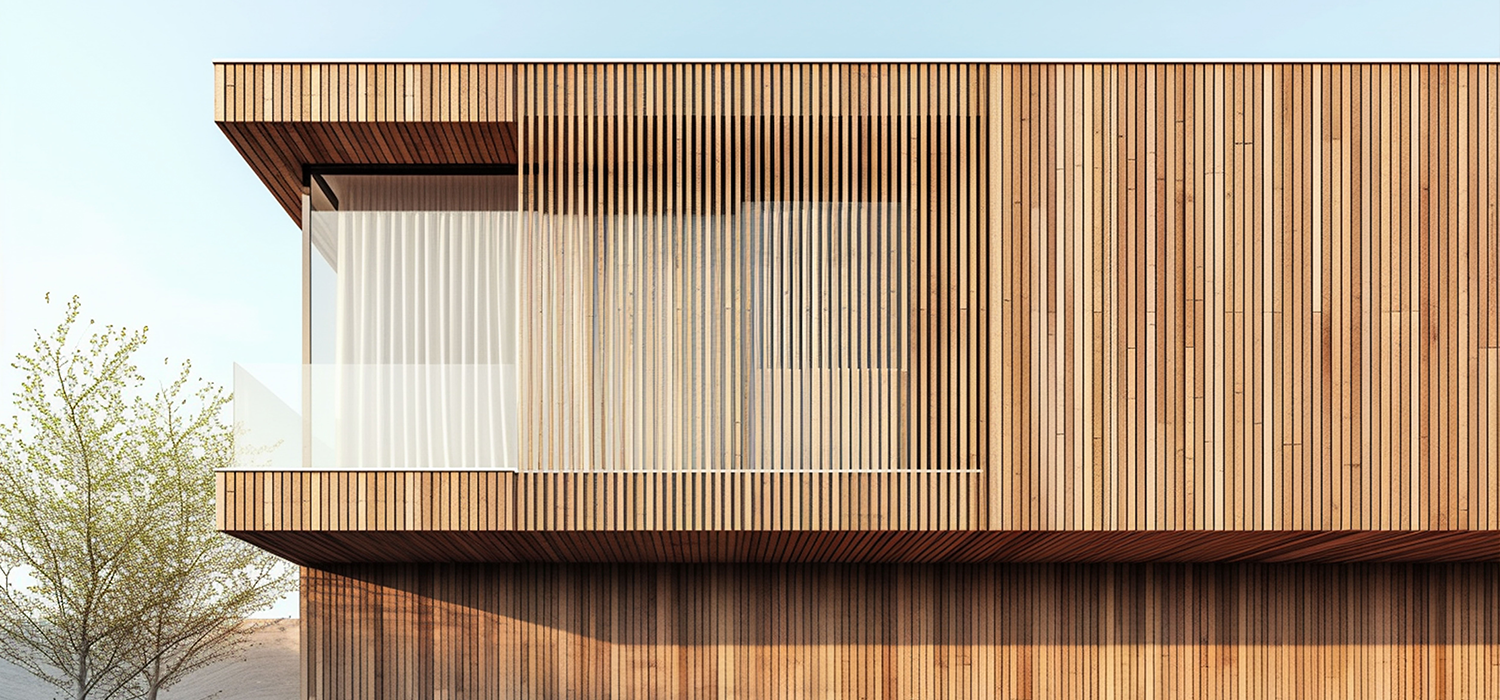
Exterior wall cladding does more than shape the appearance of a commercial building. It influences how the facade responds to changing weather, how much maintenance it needs and how well the structure retains its visual appeal over time. For offices, retail spaces, hotels and institutional buildings, the choice must balance design with durability, safety and long-term operating costs.
Among the available options, High Pressure Laminate (HPL) cladding has gained attention for its range of finishes and suitability for contemporary architectural designs. However, choosing the right material involves more than selecting a colour or texture. Building owners, architects and project managers need to consider exposure conditions, installation systems, applicable standards and the performance requirements of the facade.
1. Begin with the Building’s Exposure Conditions
The first step is to understand what the facade will face throughout the year. A commercial property in a hot, sunny region may experience prolonged ultraviolet exposure, while buildings in coastal areas must contend with humidity, rain and airborne salts. High-rise structures also face greater wind pressure and suction than many low-rise developments.
These conditions should guide the material specification. An interior-grade decorative panel may look suitable in a sample, but it is not designed to perform outdoors in the same way as an exterior-grade product. The selected cladding should be tested and classified for its intended environment, with its thickness and fixing method suited to the building’s design.
For this reason, High Pressure Laminate panels developed specifically for exterior applications deserve consideration. They offer design flexibility while being manufactured to withstand outdoor exposure. The key is to check the product’s technical documentation rather than relying on appearance or a general claim of weather resistance.
2. Look Beyond Appearance When Comparing Materials
A commercial facade is a long-term investment. Its appearance matters, but so does its ability to retain that appearance without demanding frequent repairs. Fading, surface deterioration, moisture-related problems and difficult cleaning can all affect the building’s upkeep costs.
When comparing cladding options, assess:
- Weather resistance: Can the material withstand sunlight, rain and temperature fluctuations?
- Colour stability: Is it designed to resist noticeable colour change during outdoor exposure?
- Impact resistance: Can it handle the everyday knocks that may occur around entrances and accessible exterior areas?
- Maintenance requirements: Can routine cleaning be carried out without specialist products or complicated procedures?
- Design consistency: Are suitable finishes available across the areas that need to be coordinated?
No cladding material is maintenance-free and its performance depends on correct specification and installation. Nevertheless, an exterior-grade panel with documented performance can help building owners make a more informed decision.
3. Understand the Relevant EN Standards
- Technical standards provide a more reliable basis for comparing products than marketing descriptions alone. Three references are particularly useful when evaluating exterior compact laminate panels.
- EN 438-2 sets out test methods used to determine the properties of high-pressure decorative laminates. It describes how characteristics are assessed, helping manufacturers and specifiers evaluate material performance using defined procedures. It is a testing standard, not a standalone guarantee that a panel is suitable for every exterior application.
- EN 438-6 covers exterior-grade compact laminates with a thickness of 2 mm or greater. It specifies requirements for panels intended to face outdoor conditions, including sunlight, rain and frost and distinguishes performance classifications for different exposure levels. The appropriate classification should be selected according to the project’s requirements.
- EN 438-7 addresses compact laminate panels and elements used for interior and exterior wall and ceiling finishes. It is relevant when assessing products intended for these applications, alongside the project’s wider requirements for structural design, fire safety and installation.
- Together, these references help architects and project teams ask more precise questions about what a panel is tested for, how it is classified and whether it is appropriate for the proposed facade. They should be considered alongside local building regulations and the complete cladding system’s specifications.
4. Choose a Finish that Suits the Building’s Identity
Commercial facades often serve as a visual introduction to the business inside. A corporate office may call for restrained colours and clean lines, while a hotel, showroom or retail development might benefit from warmer textures, contrasting panels or a more distinctive exterior.
The right finish should complement the architecture without compromising practical requirements. Wood-inspired designs can introduce warmth to otherwise stark elevations, while solid colours may suit buildings with a strong corporate identity. The scale of the facade matters too: a pattern that looks attractive on a small sample can appear repetitive across a large wall.
This is where VIR KLADS offers architects and designers options for combining exterior performance with contemporary aesthetics. Its exterior cladding range is developed for applications such as facades and building exteriors, with different panel sizes and customised thickness options available. The final choice should still be based on the project’s design, technical requirements and installation details.
5. Give Installation and Safety Equal Importance
- Even a well-specified panel can underperform if the supporting structure and fixing details are poorly planned. Panel thickness, fixing positions, joint spacing and the supporting framework must be considered together. Designers should allow for thermal movement and follow the manufacturer’s installation guidance to reduce the risk of distortion or alignment problems.
- A ventilated facade system may also help manage moisture behind the cladding when designed with appropriate drainage and airflow. However, the cavity, insulation, barriers and other components must work as a complete system rather than being selected independently.
- Fire safety requires particular attention in commercial buildings, especially high-rise developments and properties with substantial public access. Confirm the applicable local requirements and obtain the relevant fire-performance documentation for the proposed materials and assembly. EN 438-6 helps establish the panel’s exterior-grade classification, while EN 438-7 is relevant to compact laminate panels and elements intended for wall and ceiling finishes. Neither reference replaces the need to verify compliance for the complete facade design.
- Before finalising a specification, architects and project managers should review the product’s technical data, installation instructions, test documentation and warranty conditions. For VIR KLADS, confirm the documentation relevant to the particular panel and intended application rather than assuming that every configuration has identical performance.
6. Calculate Long-term Value, not Just Initial Cost
- The cheapest quotation does not always deliver the best value over a building’s life. A fair comparison should include material costs, supporting framework, installation, cleaning, access equipment and the likelihood of repairs. Availability of replacement panels and consistency of finish can also matter when a facade needs modification years later.
- An exterior-grade High Pressure Laminate solution can be worth evaluating when a project needs a balance of design flexibility, outdoor durability and manageable maintenance. VIR KLADS is one option to compare against other suitable materials, provided its specifications align with the building’s exposure conditions and regulatory requirements.
- Ask suppliers about panel dimensions, thickness availability, lead times, installation recommendations and warranty coverage. These practical details help prevent late-stage changes, reduce avoidable site delays and make it easier to plan future maintenance.
Make the Choice with the Whole Facade in Mind
Choosing exterior cladding is ultimately a decision about how a building should look and perform over time. Climate, product classification, fire safety, fixing design, maintenance and cost all deserve attention before the material is approved.
Review EN 438-2 test methods alongside the relevant product classification under EN 438-6 and the requirements applicable to wall and ceiling cladding elements under EN 438-7. These standards help establish a more informed starting point, but project-specific design and local compliance remain essential.
For commercial projects seeking a contemporary facade, VIR KLADS offers an exterior cladding range worth considering. Matching the right panel to the building’s requirements and pairing it with sound installation practices can help create an exterior that looks considered today and remains practical to maintain in the years ahead.


